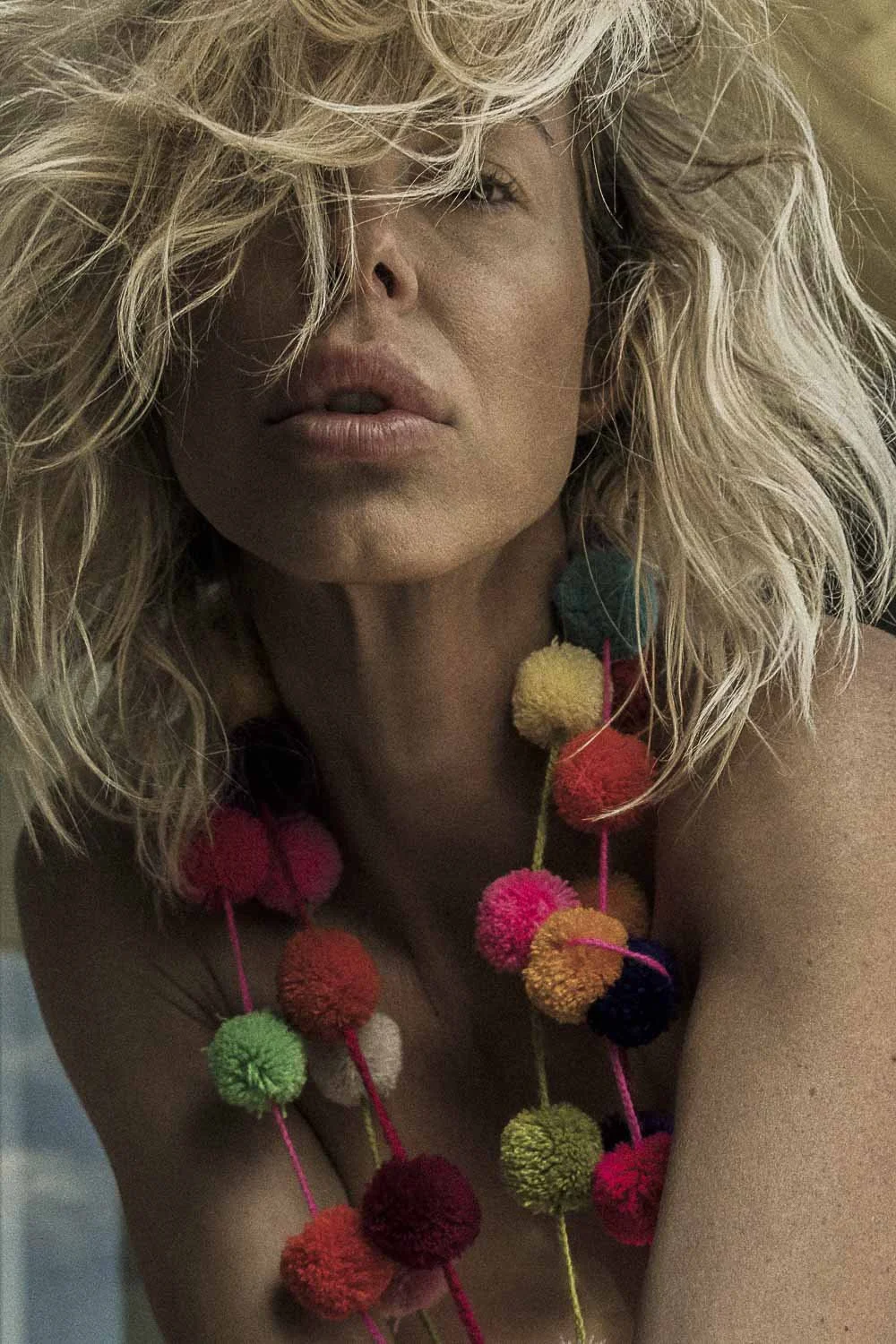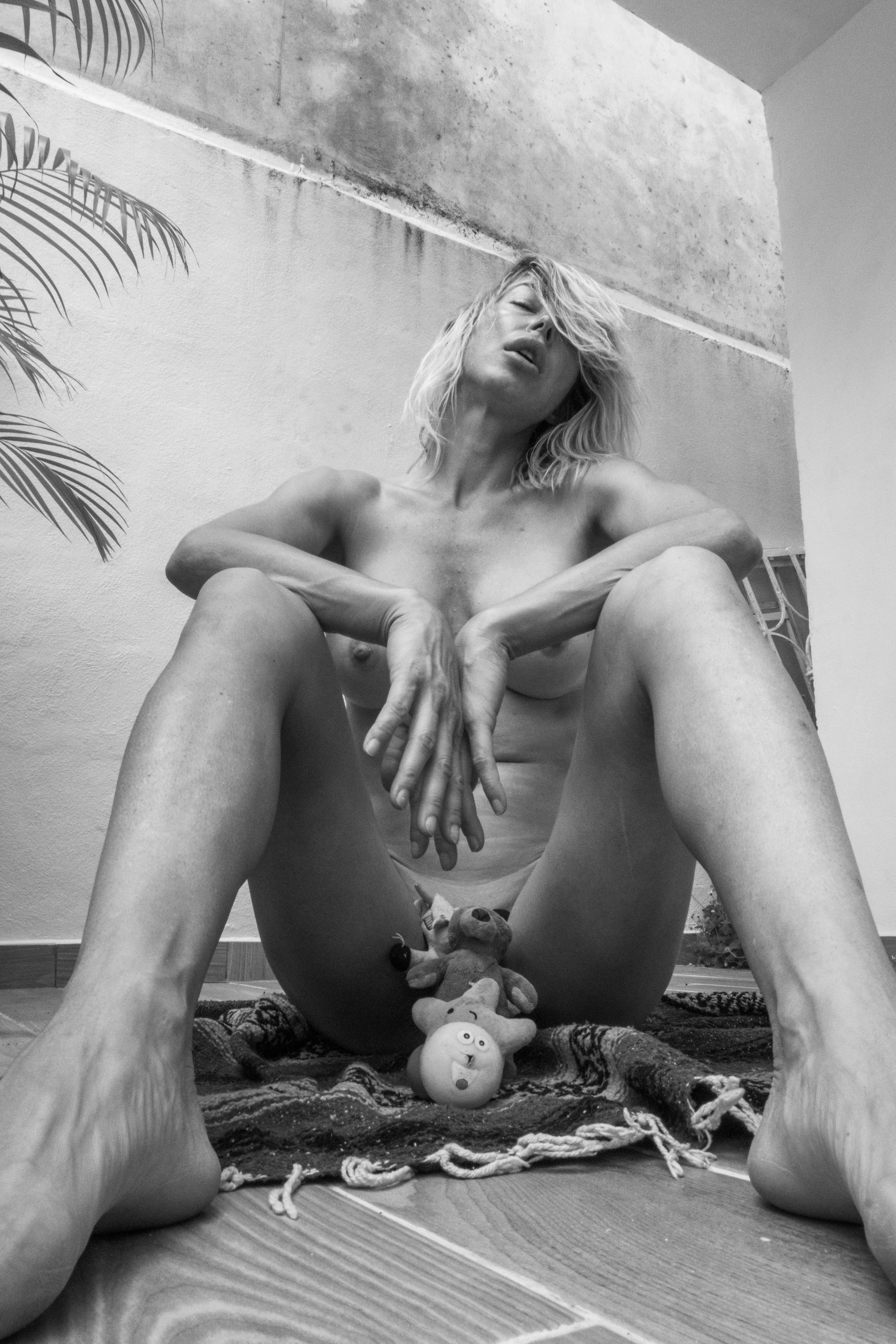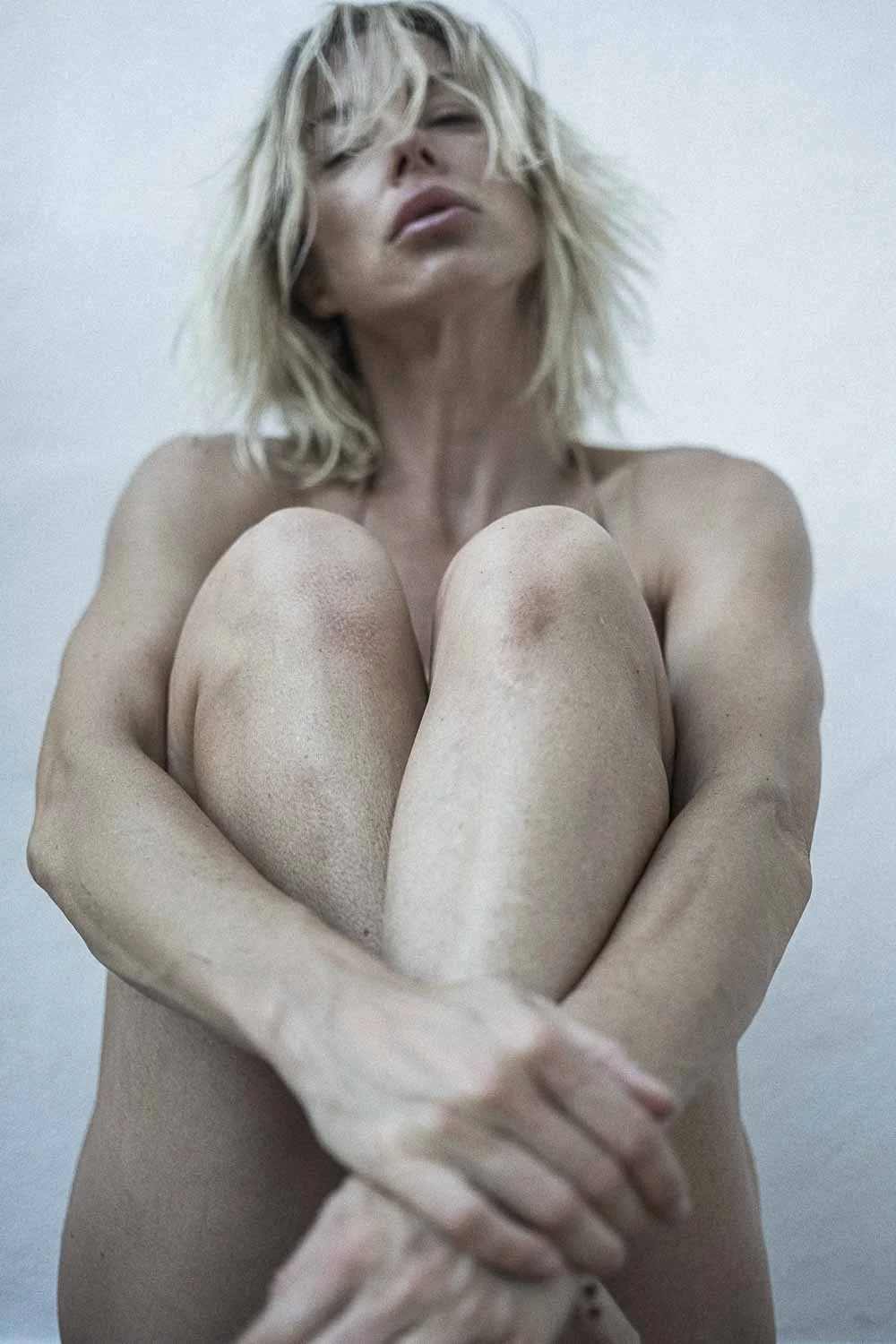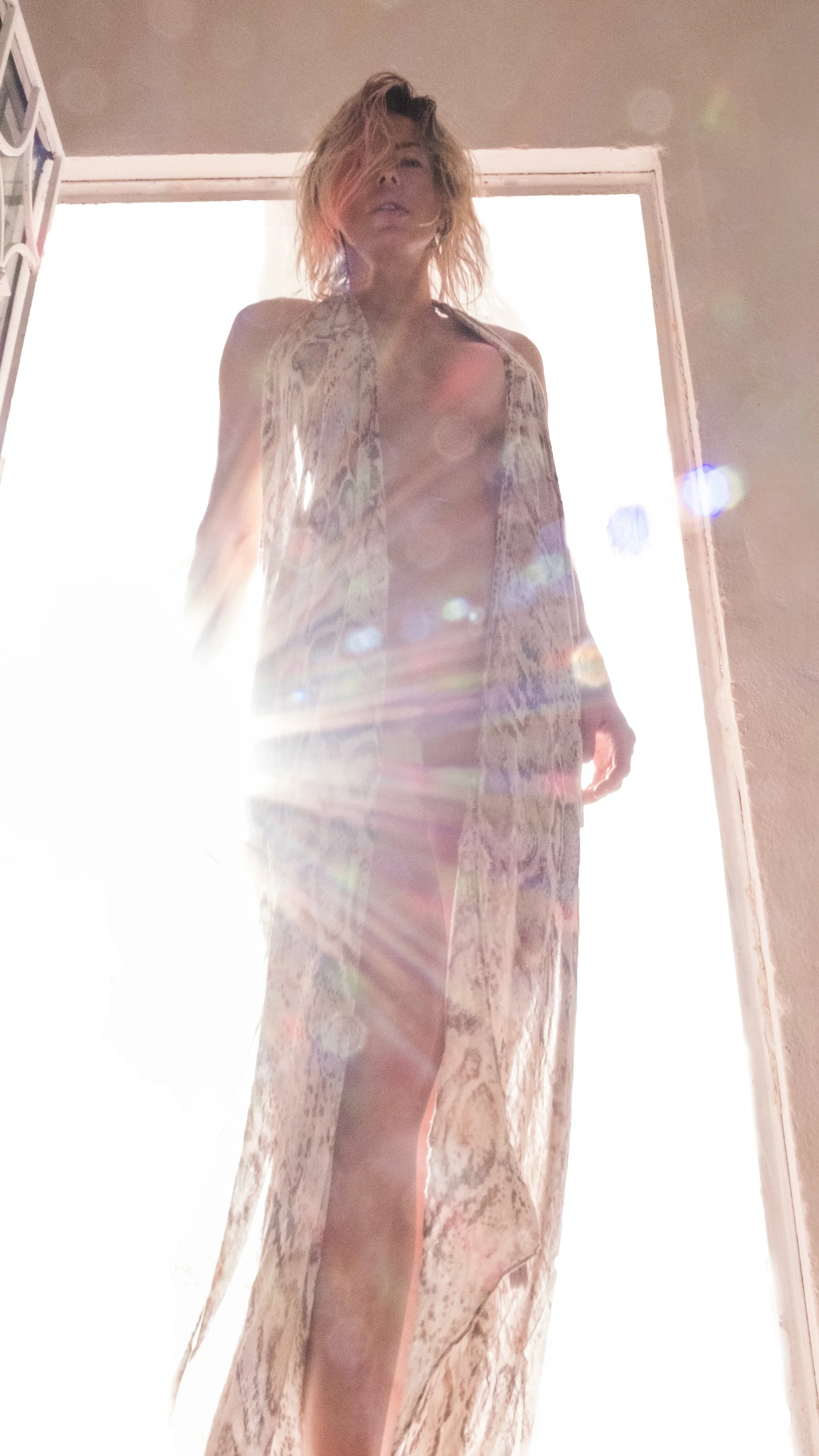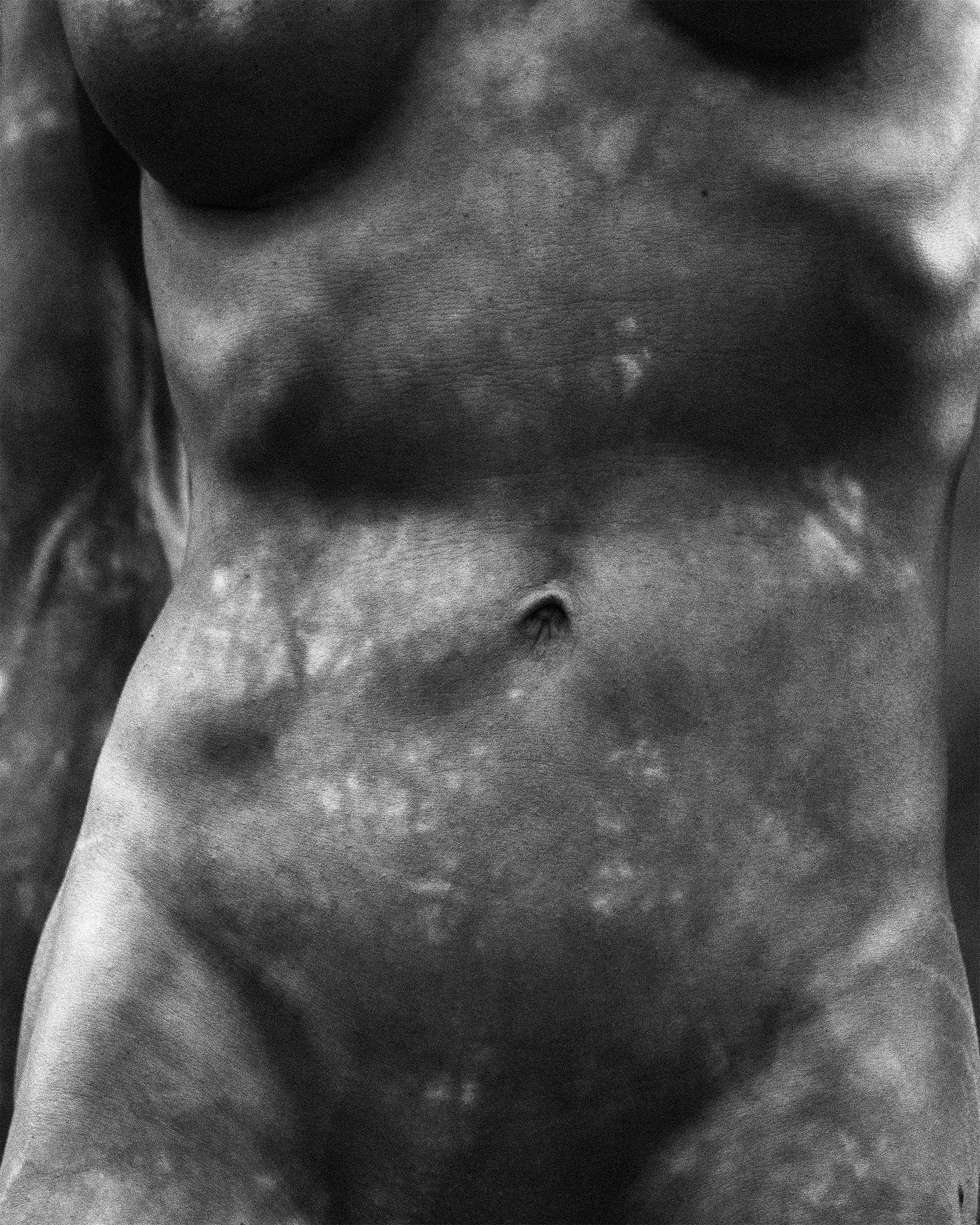
Self-Portrait
an ongoing record of becoming,
6 years in the making
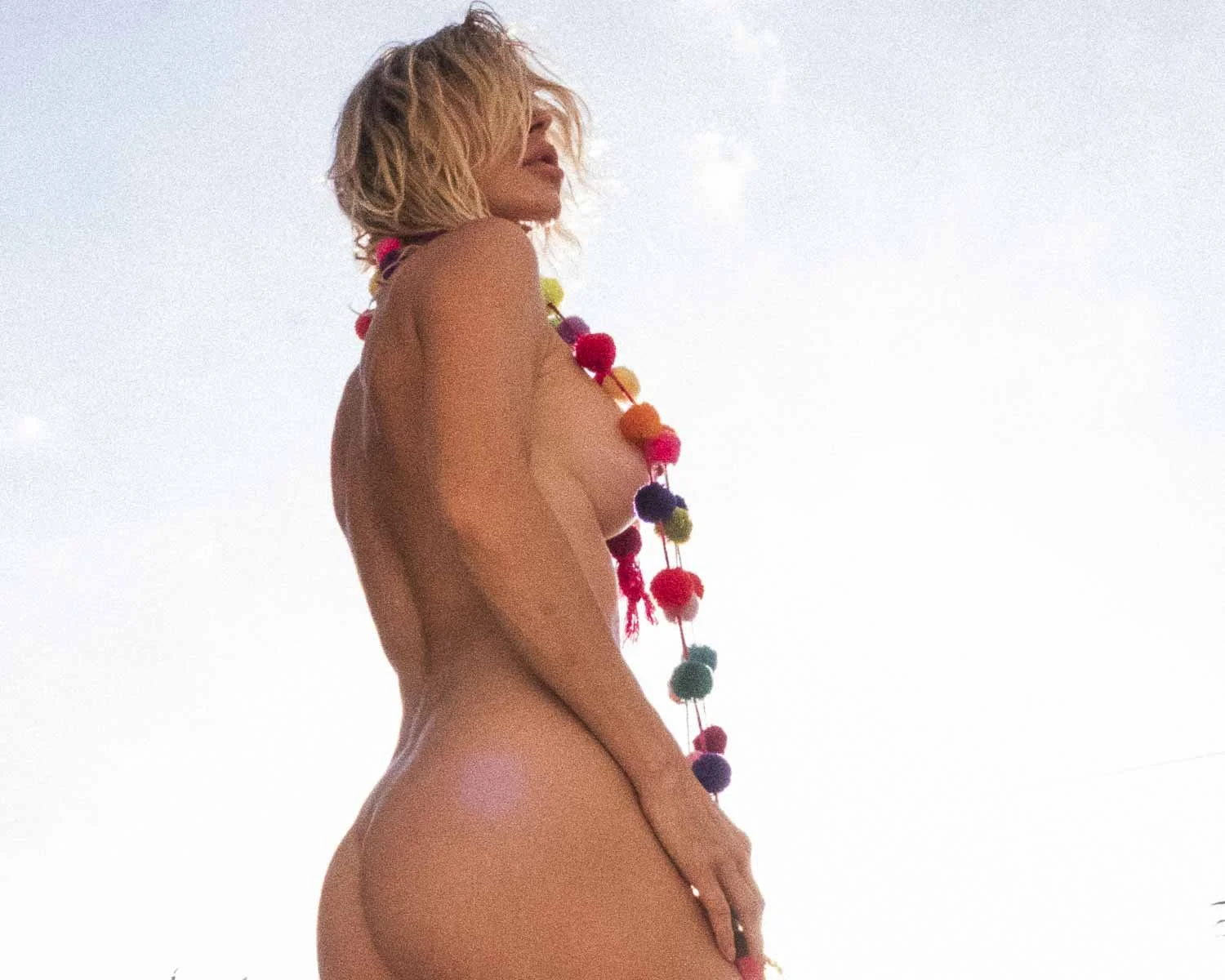
Solitude taught me to see the beauty in simplicity, to find strength in stillness, and to embrace the naked truth of who I am.
-
Got you. Same content, cleaned up into proper paragraphs, no em dashes, and visually calmer so it reads like a true artist statement instead of a wall of lines.
The Becoming
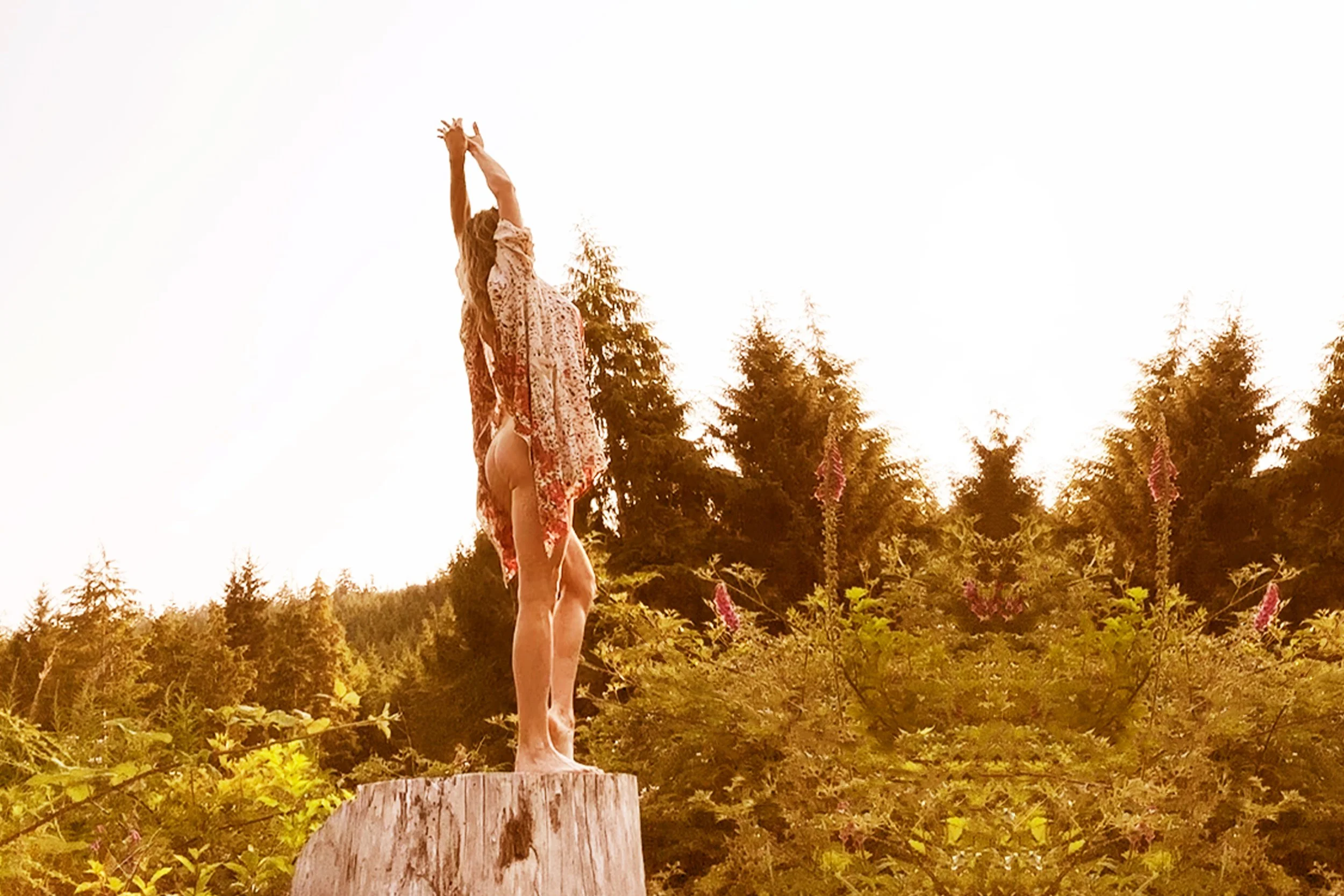
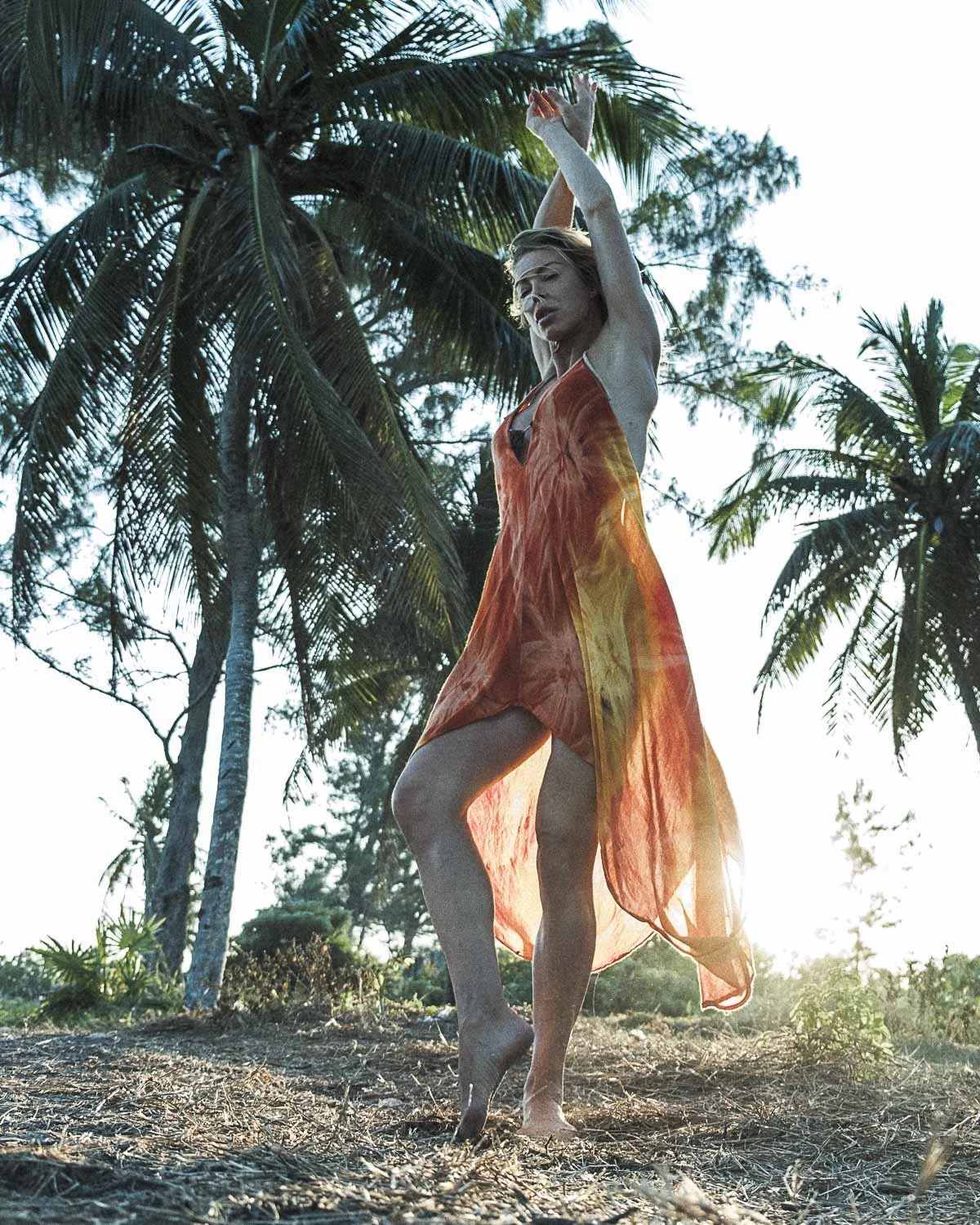
My self-portraiture began during a profound shift in my life, a transition from the intensity of Beverly Hills to the quiet wilderness of rural Canada. The change was abrupt and disorienting. I traded the constant noise of city life for the stillness of a small town surrounded by forest. In that stillness, I turned the camera toward myself.
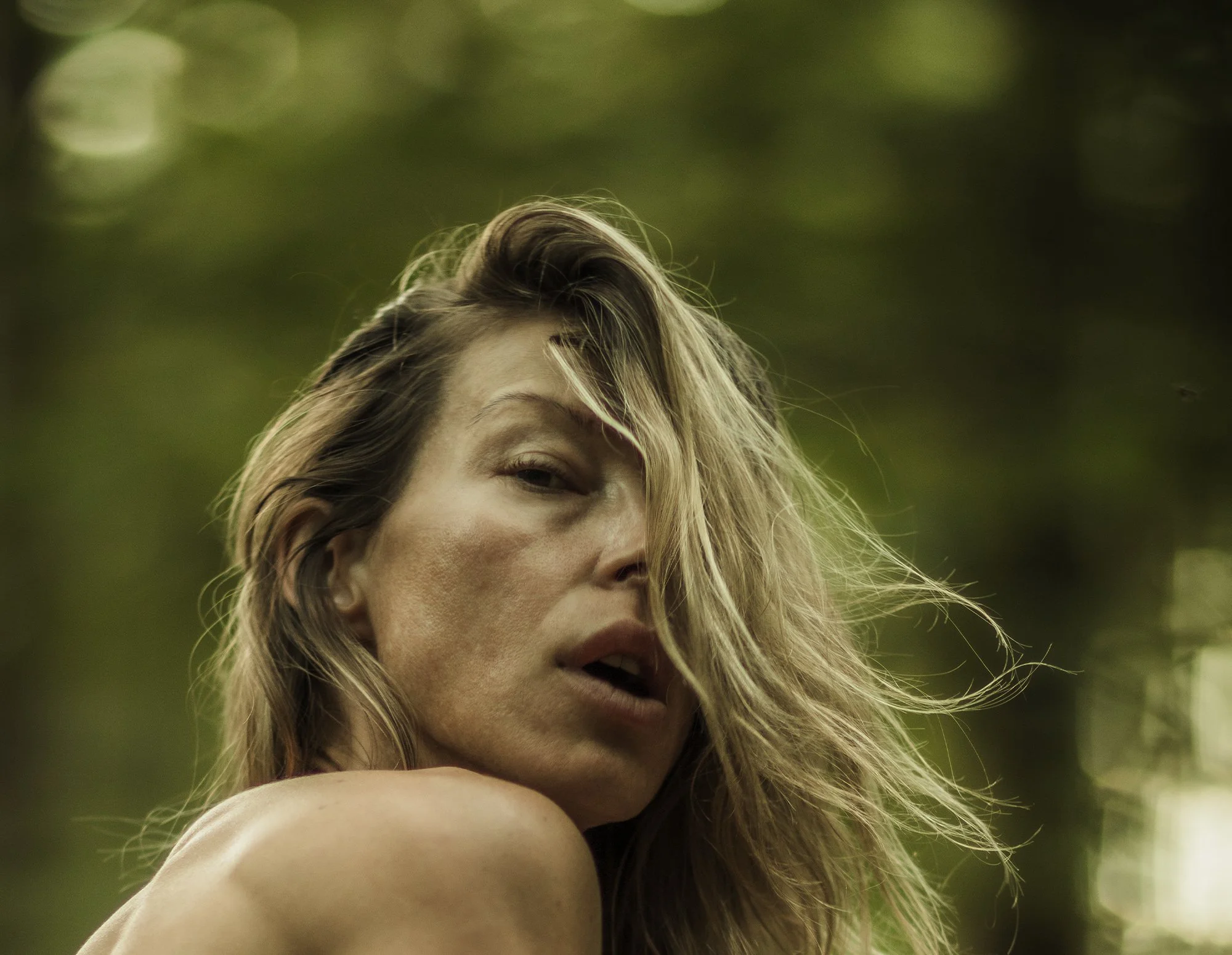
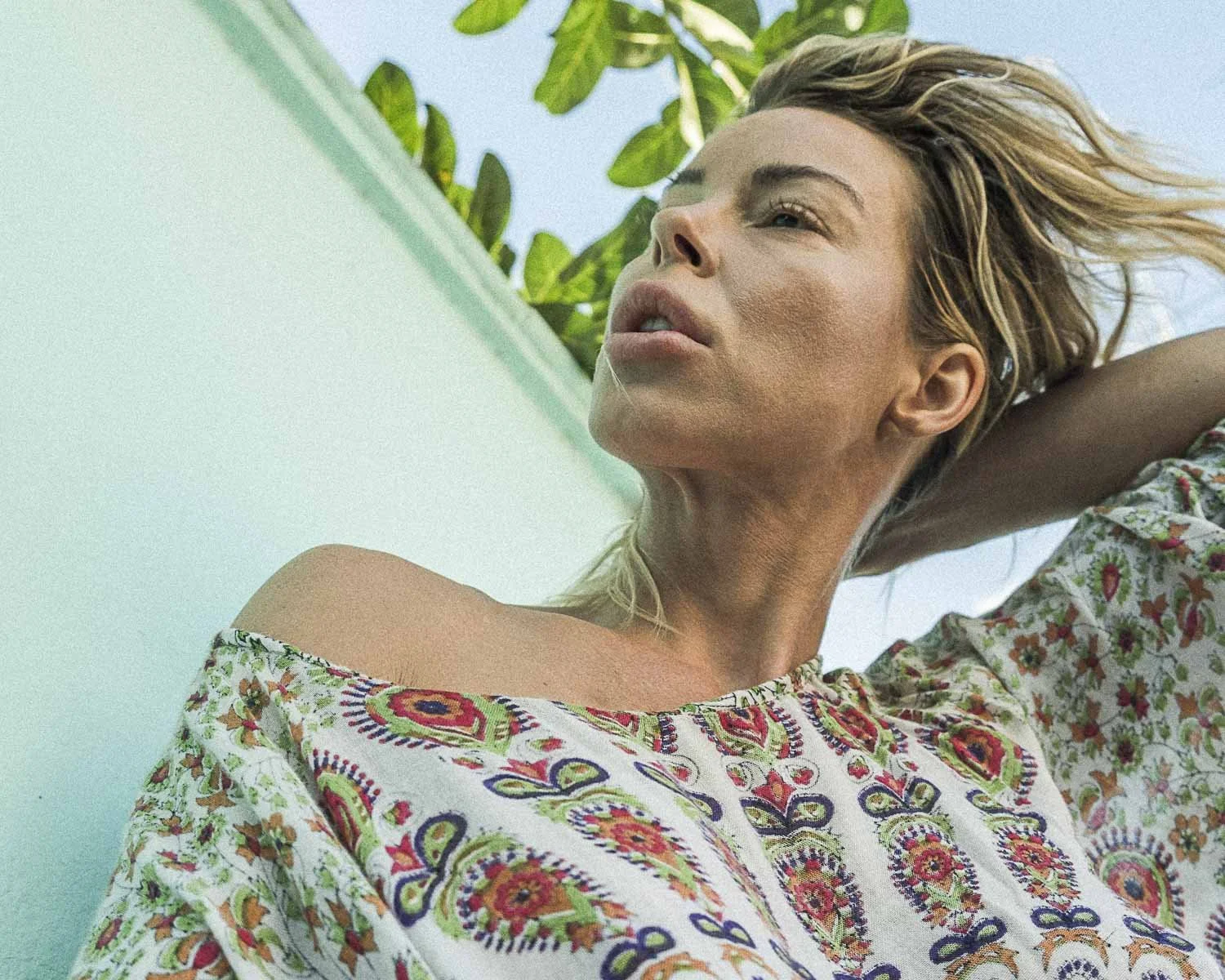
What began as necessity became a process of becoming. With no subjects to photograph, I became both the observer and the observed. Self-portraiture evolved into a mirror, a way to examine identity, solitude, and my relationship with the natural world.
When the world entered lockdown during COVID-19, this process deepened. The woods became both refuge and studio. Alone in nature, photography shifted from documentation to introspection. The images no longer captured a solitary figure in a landscape. They began to trace the quiet unfolding of a life learning to exist without distraction.
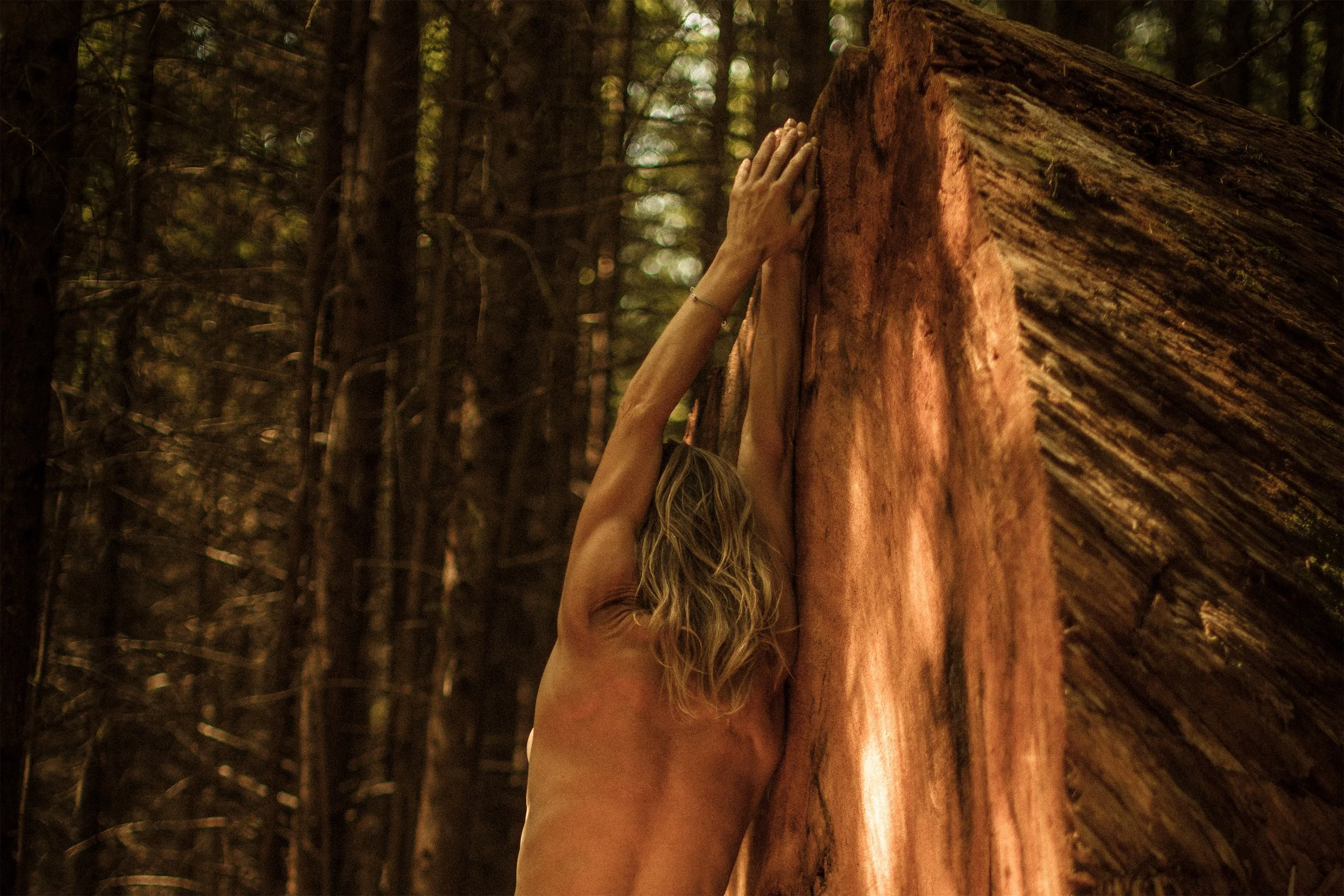
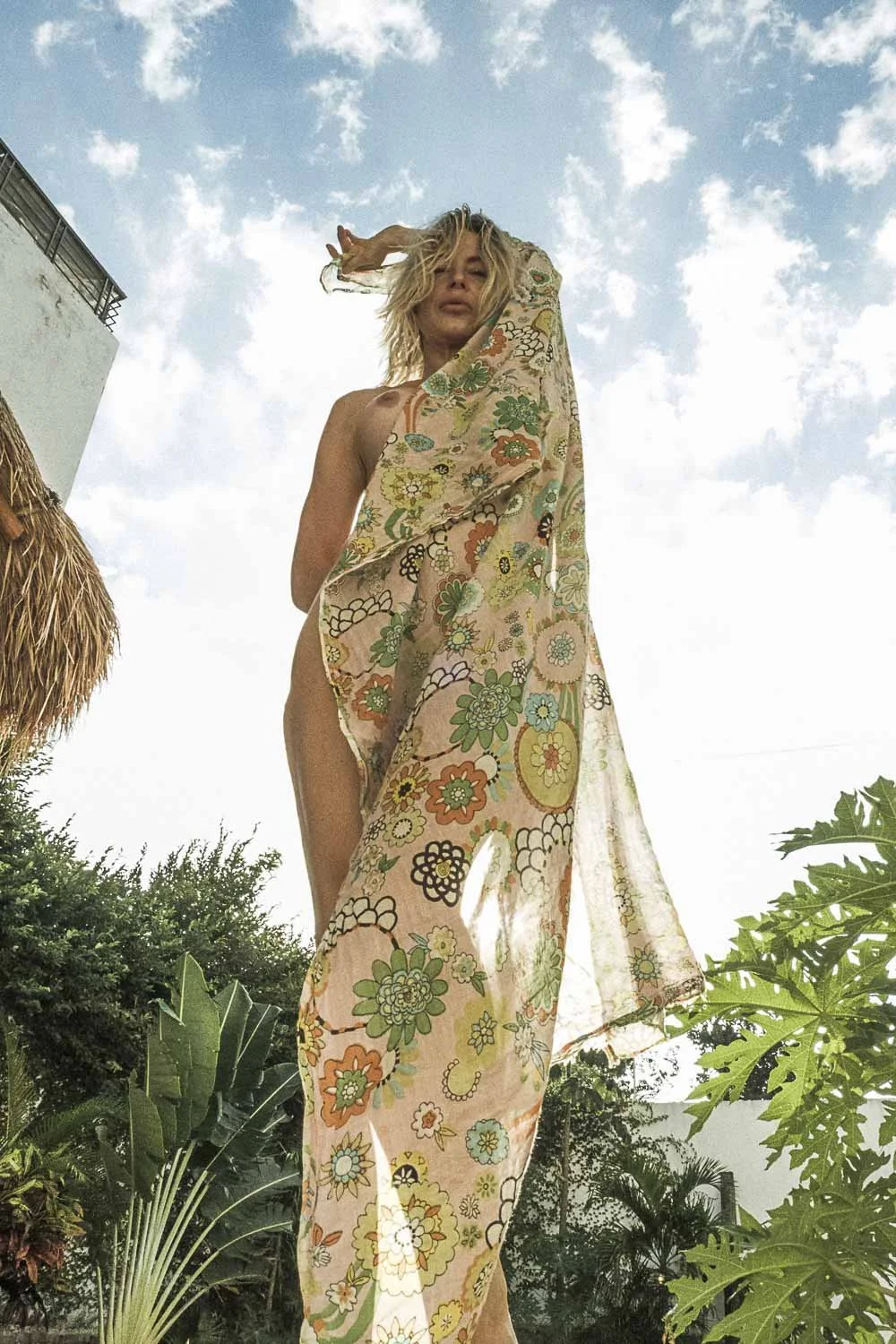
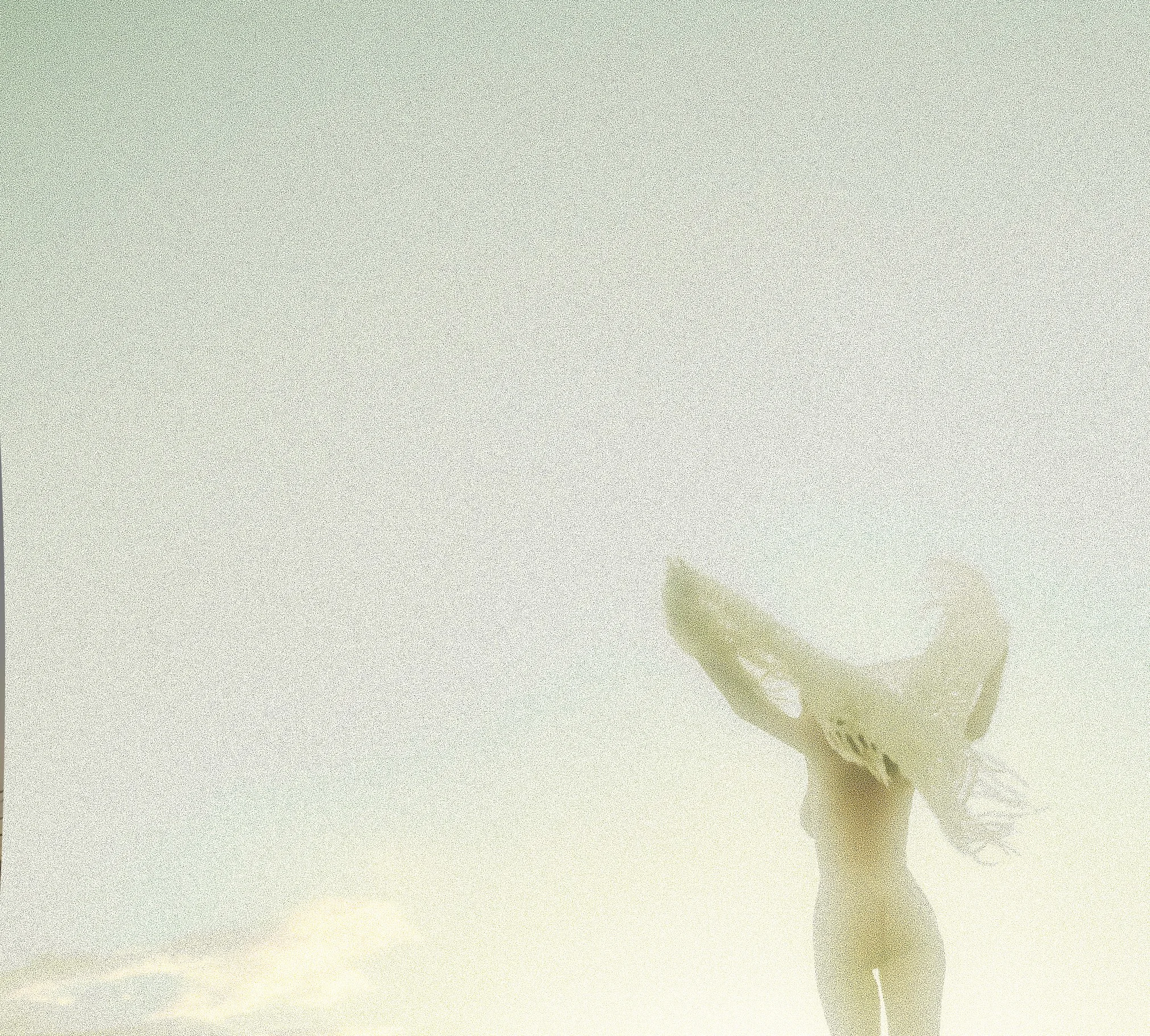
Nudity entered the work naturally. Not as performance, but as return. To be nude in the landscape is to remove the cultural armor we carry in modern life. It is a movement toward simplicity, vulnerability, and presence. The body becomes part of the environment, no different from stone, water, or tree.
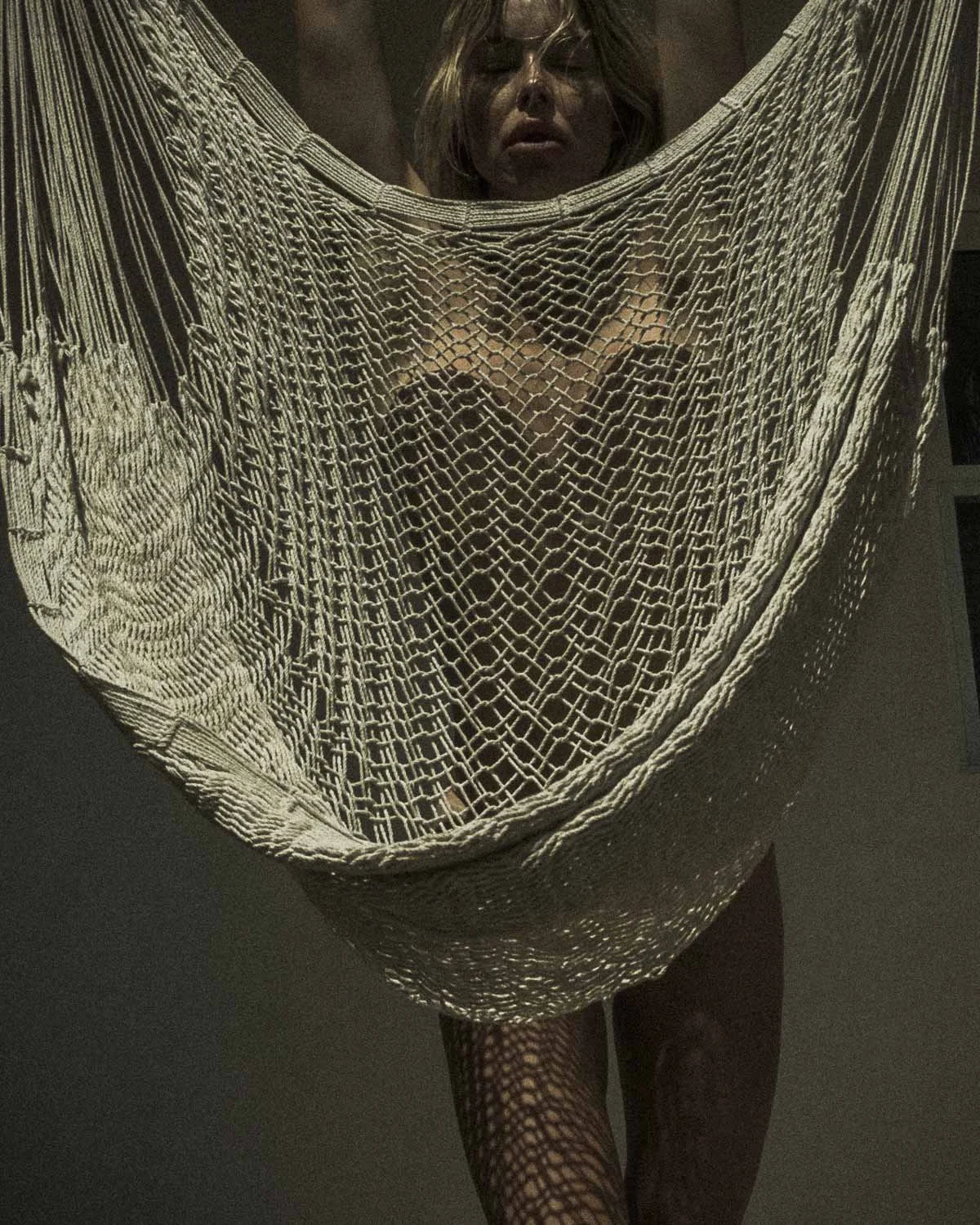
At the same time, my life was becoming increasingly minimal. I began releasing possessions and distractions and discovered that the less I held onto materially, the more I could perceive. This shift reshaped my photography. The images grew quieter, more intimate, and more attentive to the subtle gestures of light, movement, and emotion.
Revisiting places from my past created a dialogue between former and present selves. Spaces that once felt active or performative became contemplative. The work began to reflect not only place, but transformation.
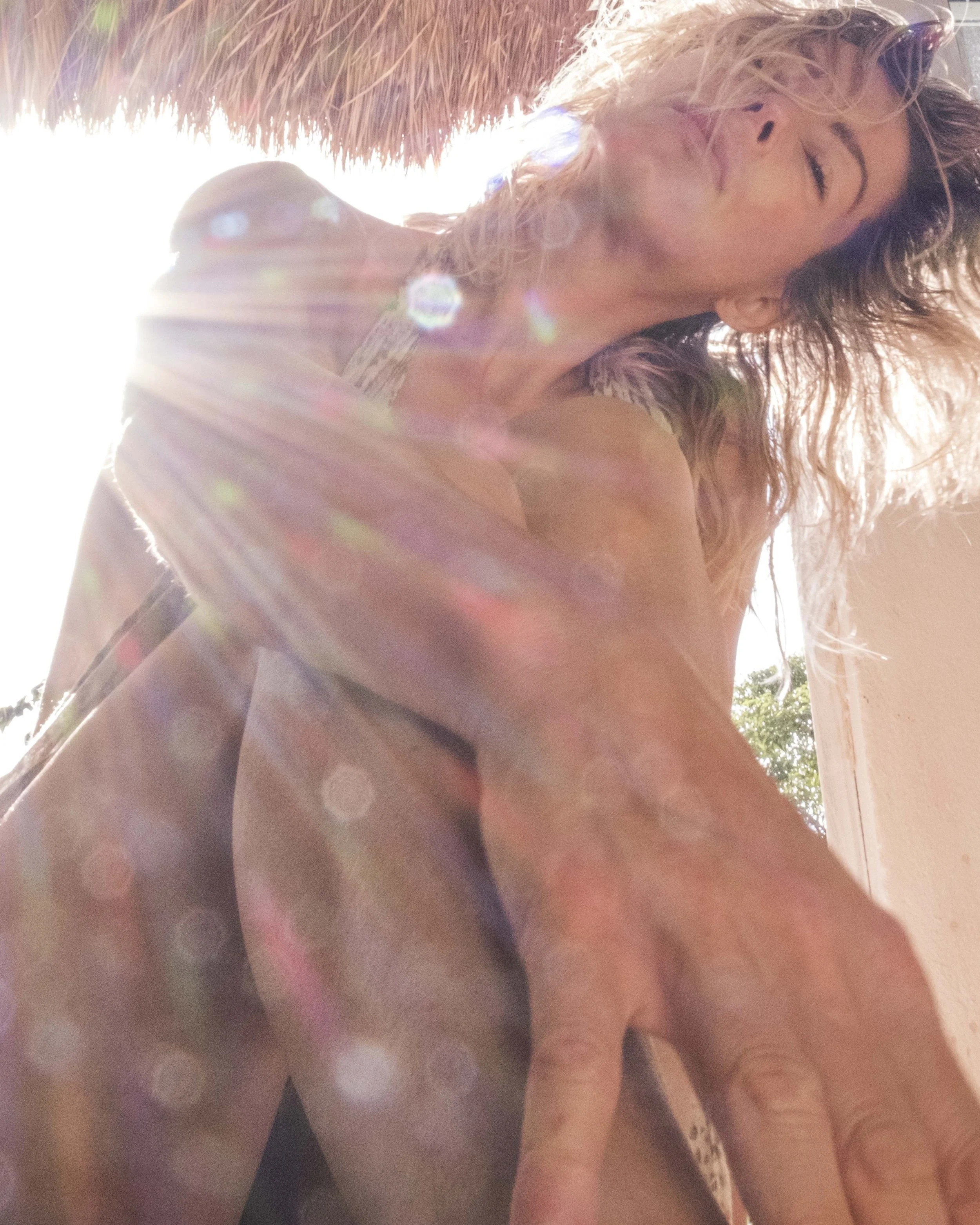
Over time, I stopped collecting things and began collecting moments. Many of these images remain unedited and unseen, existing as personal records rather than objects of display. In a culture driven by constant visibility, this practice feels quietly radical.
My work is about presence not performance.
Self-portraiture allows me to witness my own evolution while dissolving the boundary between subject, artist, and environment. The body becomes landscape. The landscape becomes witness.
This work is an archive of becoming. A record of returning to the body, to the land, and to a way of living that is less constructed and more felt.
Through this practice, I have come to understand a simple philosophy: to love everything, attach to nothing, and remain deeply connected to the living world.